
Choose corrugated boxes when distribution and handling drive the design, folding cartons when compact retail presentation and flat storage are priorities, and rigid boxes when a structured gift presentation matters most. The right choice among these types of packaging boxes depends on the packed product, insert, delivery route and packing operation—not appearance alone.
1. What makes the three structures different?
Look at the board and construction first. A box that folds is not automatically a folding carton; corrugated mailers and some rigid gift boxes also fold.
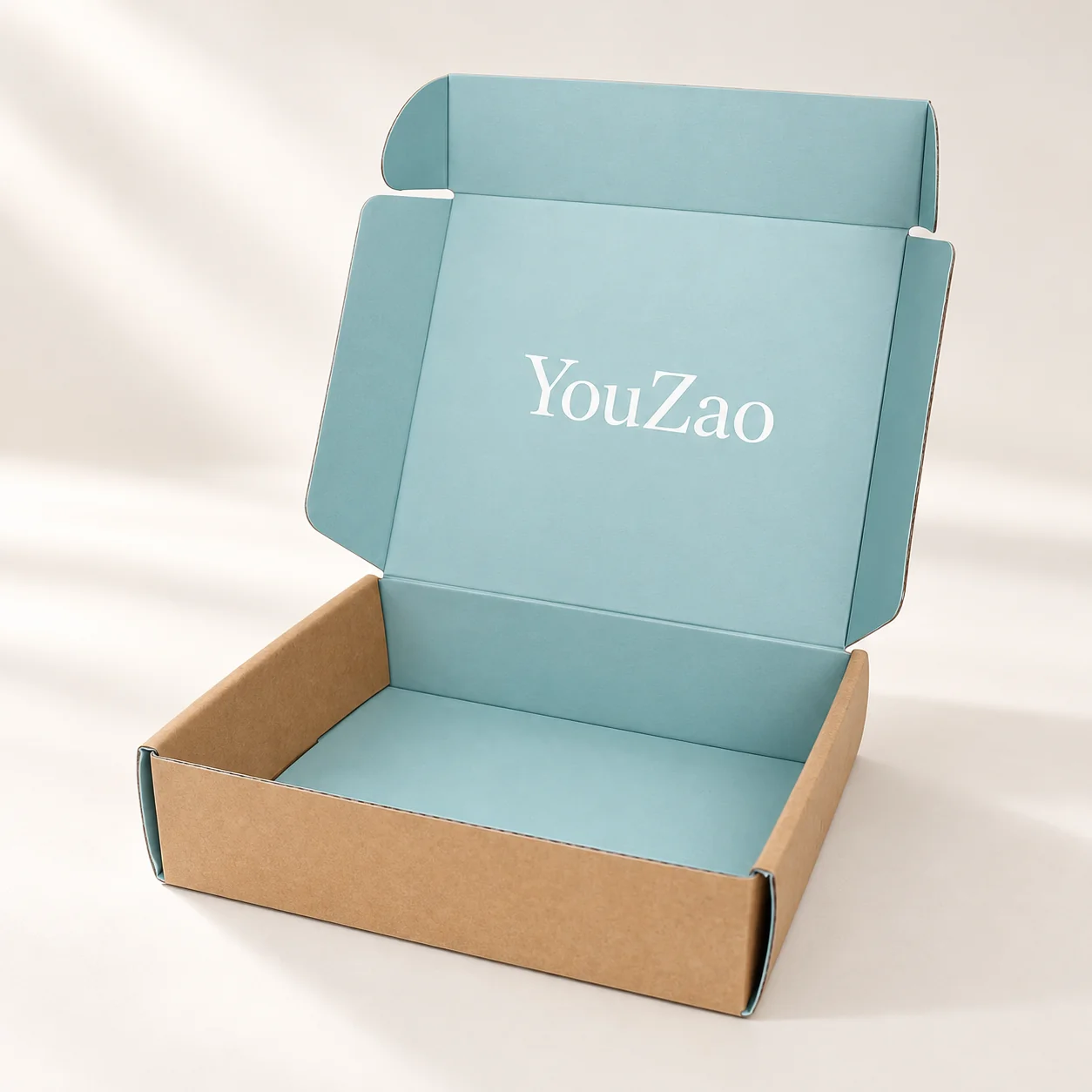
CORRUGATED BOX
Fluted board, folded into a pack
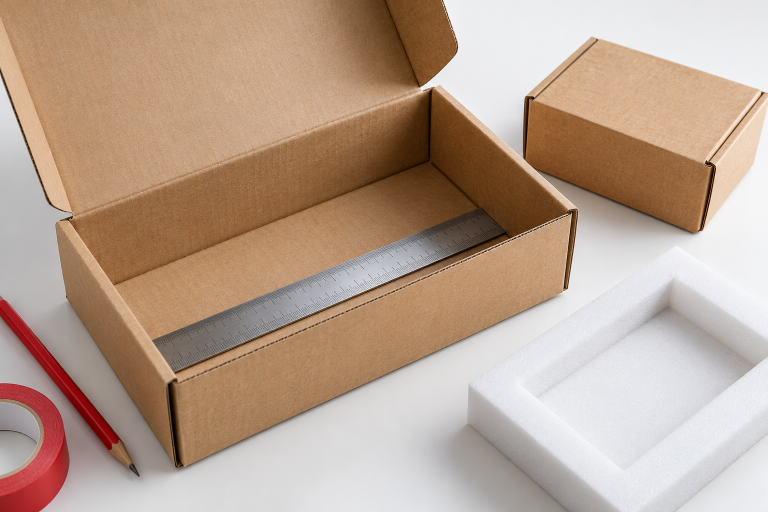
A wavy paper medium sits between liners. The board grade, flute, folds and closure work together to form the box.
- Typical direction: apparel mailers, dispatch packs and outer shipping cartons.
- Check: packed weight, sealing, internal movement and the complete delivery pack.
Custom 3 mm Corrugated Clothing Mailer Boxes with Printed Interior →

FOLDING PAPERBOARD DIRECTION
Creased paperboard, erected for filling
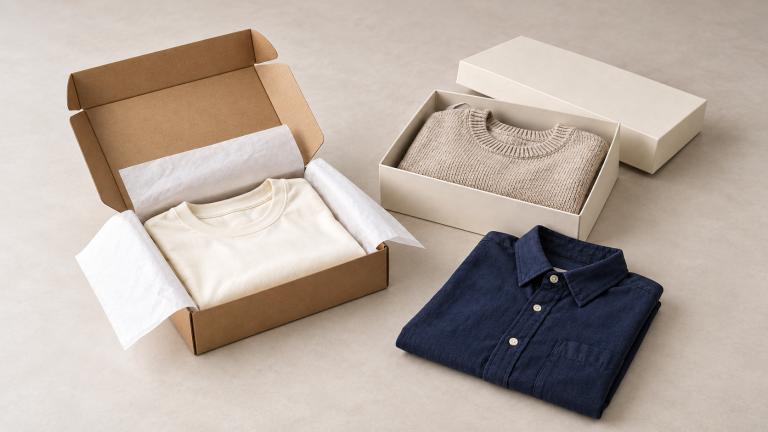
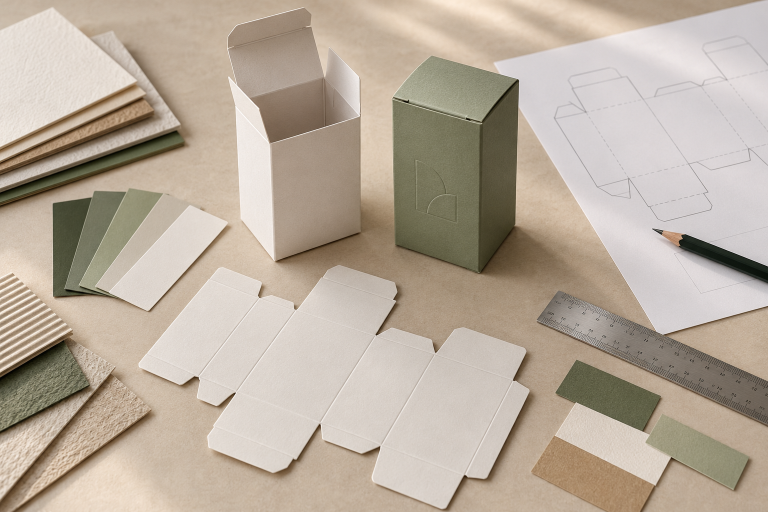
Folding cartons use cut and creased paperboard panels. The navy product photo shows a folded paperboard presentation; the exact grade and closure are selected for the project.
- Typical direction: printed retail packs and individually presented products.
- Check: base closure, panel stiffness, assembly and any outer shipper.
Custom White Paperboard Electronics Packaging Boxes with Logo Printing →
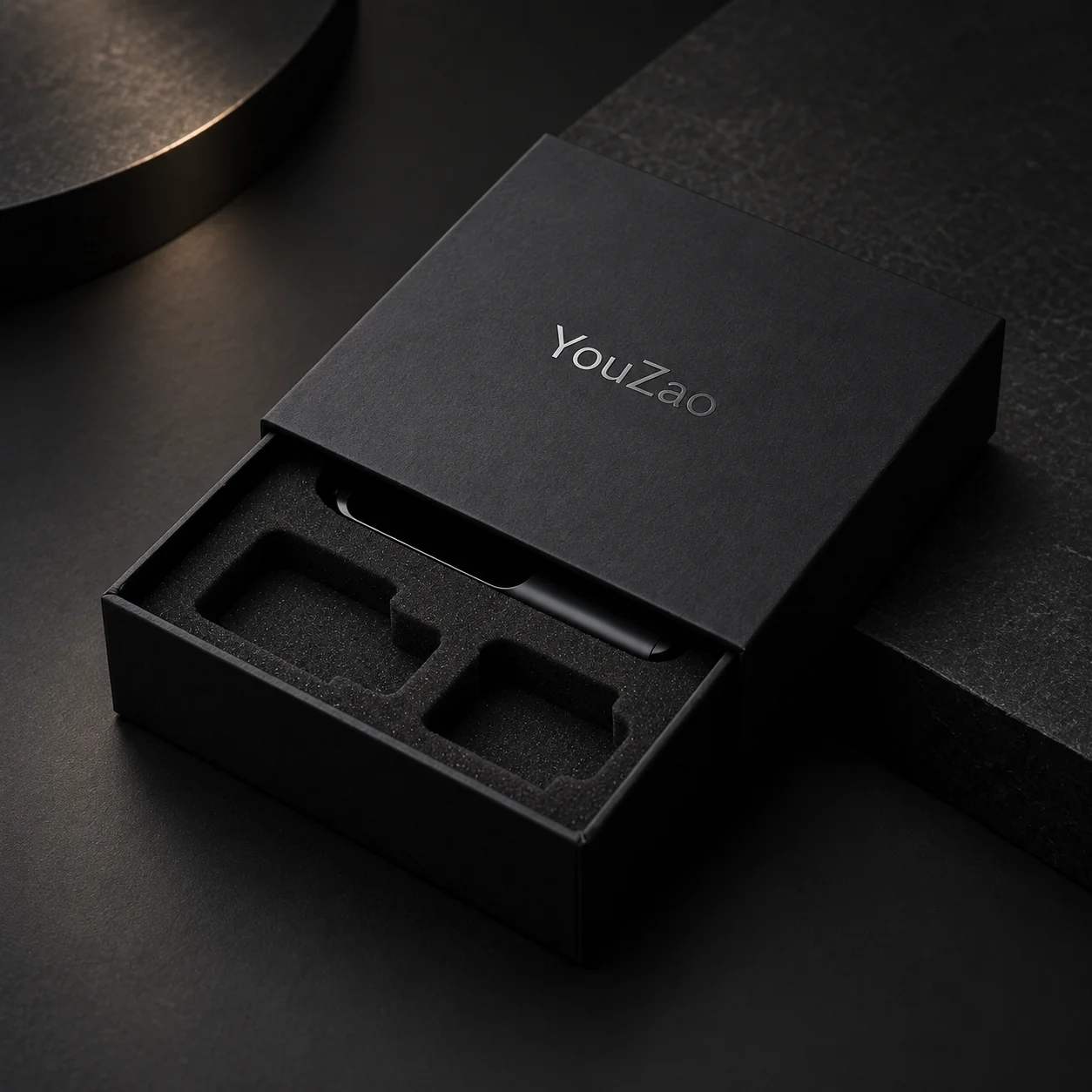
RIGID BOX
Thick core, finished with a paper wrap
Rigid boxes use a stiff board core with a decorative wrap. Lid-and-base, drawer and book-style formats create different opening experiences.
- Typical direction: gift sets, premium presentation and organized multi-item packs.
- Check: tray fit, wrapped corners, insert contact and protection during delivery.
Custom Rigid Cardboard Drawer Boxes with Foam Inserts for Electronics →
Construction references: FEFCO explains liners and fluting; the Paperboard Packaging Council describes folding cartons and wrapped rigid boxes.
2. Corrugated vs. folding carton vs. rigid box
On a small screen, swipe the table sideways to compare all three columns.
| القرار | Corrugated | Folding carton | Rigid box |
|---|---|---|---|
| البناء | Liners with fluted medium; cut and folded into the selected style. | Creased paperboard panels with specified top and base closures. | Stiff board core with wrap; assembled or specially designed to collapse. |
| التطبيقات الشائعة | Apparel dispatch, e-commerce mailers and outer transport packaging. | Retail unit packs, cosmetics and small-product presentation. | Gift sets, premium retail and fitted presentation packs. |
| Protection planning | Select board grade, closure and restraint for handling and stacking. | Match panel stiffness and base strength to the contents; plan transport packaging separately. | Support and restrain the contents; protect the finished box and evaluate the outer shipper. |
| Display effect | Printed exterior and opening reveal; exposed edges may show fluting. | Compact printed panels, clear product information and shaped closures. | Defined walls, wrapped surfaces and a deliberate lid or drawer reveal. |
| Empty-box storage | Many designs can be supplied flat; confirm the actual format. | Usually flat before erection; allow space for separate inserts. | Set-up designs occupy their assembled volume; collapsible formats are an exception. |
| Packing operation | Erect, load, close and apply the agreed sealing. | Open the carton, secure the base, load and close; trial the packing sequence. | Load the insert and close the lid or drawer; collapsible versions add setup. |
| Quotation focus | Size, liner/flute/grade, printing, insert and supply format. | Blank area, board, closure, artwork, finishing and assembly. | Core, wrap, components, interior, finishing and packed shipping volume. |
Compare the whole pack. A rigid gift box inside a corrugated shipper can serve both presentation and distribution. A retail folding carton can also use an insert and outer carton. These structures can work together rather than replace one another.
3. Choose by the product’s route
Direct-to-customer apparel
Start with a corrugated mailer. Measure the garment after folding and wrapping, then review flap clearance, sealing and transit handling. Explore corrugated packaging boxes for format options.
Small item sold from a shelf
Start with a folding carton when printed product information, compact size and efficient flat storage matter. Check the loaded base and closure, then define the shipping carton used to replenish the shelf.
A gift set with several pieces
Start with a rigid lid-and-base, drawer or book-style direction when the arrangement and opening sequence matter. Develop cavities and removal access around the complete set.
Gift presentation with limited storage
Compare a collapsible magnetic gift-box format with a set-up rigid box. Review corner securing, assembly time and the final loaded shape.
For fragile or heavy contents, give the packaging team the product’s weight, vulnerable points and delivery route before selecting a family. A box name or thicker-looking wall does not establish a load rating.
Not sure which structure fits? Send the product and packing route for a recommendation.
4. Plan protection from the product outward
- Define the packed item. Include bags, wraps, caps, accessories and the final arrangement. Use the box-dimension measuring guide to keep product, internal and external dimensions separate.
- Control movement and contact. Identify parts that must stay apart, surfaces that can rub and edges needing support. Select the insert material and cavity layout for those needs.
- Leave working space. Account for the insert, cushioning, lid travel and finger access. Avoid both a forced fit and uncontrolled empty space.
- Evaluate the delivery system. Review the filled box, closure, sealing and outer packaging under the intended handling conditions. Agree any required testing and acceptance criteria before approval.
For a printed presentation box, also inspect scuffing and corner damage after the handling trial. Product protection and an undamaged retail appearance are separate acceptance checks.
5. Compare storage, assembly and total cost
The lowest empty-box price may change once inserts, packing work and freight are included. Request comparable quotations against the same product, quantity, print scope and delivery destination.
- Empty-box volume: ask for units per master carton, carton dimensions and gross weight in the proposed supply state.
- Assembly effort: trial erection, corner securing, insert placement and closure with the people who will pack the order.
- Separate components: include trays, wraps, tissue, sleeves and outer shippers in both price and storage planning.
- Artwork versions: state quantities per size and design; one combined total can hide separate production setups.
- Sample scope: distinguish a structural sample from a printed and finished proof, then agree charges and timing in the quotation.
Flat delivery is a specification. Confirm it on the actual drawing and sample. Corrugated mailers can arrive assembled, and collapsible rigid boxes still need setup at the packing station.
6. Approve the filled sample before the order
| تحقق | ما الذي يجب التحقق منه |
|---|---|
| Fit and removal | All items, protection and documents fit; the buyer can remove them without forcing the box. |
| Closure and assembly | Tabs, base, lid or drawer work with the contents loaded; setup matches the packing operation. |
| المظهر | Artwork orientation, folds, wrap joints, printed color and selected finish match the approved proof. |
| Handling | The complete packed configuration meets the agreed product and appearance checks. |
| Order record | Drawing revision, materials, insert, artwork, supply state and carton plan are recorded together. |
Three selection mistakes to avoid
- Choosing from a photo alone: request the board construction and a structural sample.
- Treating every folding box as a folding carton: separate material family from the ability to fold flat.
- Approving the empty box: repeat the check with the actual contents, insert and shipping arrangement.
7. Prepare dimensions and a comparable brief
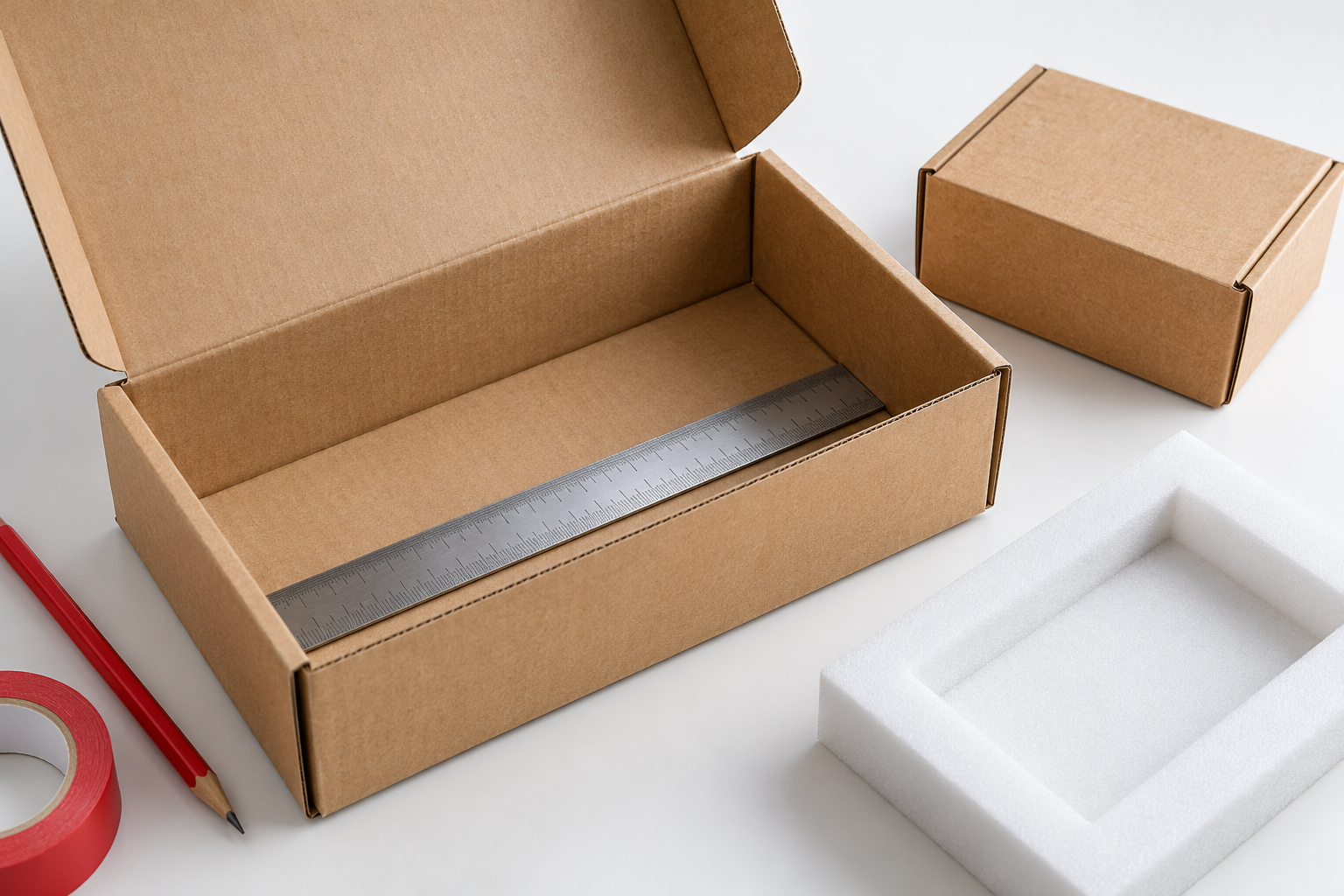
RELATED GUIDE
How to Measure Box Dimensions for Custom Packaging
Record length, width and height with a clear dimension basis, including inserts and working space.
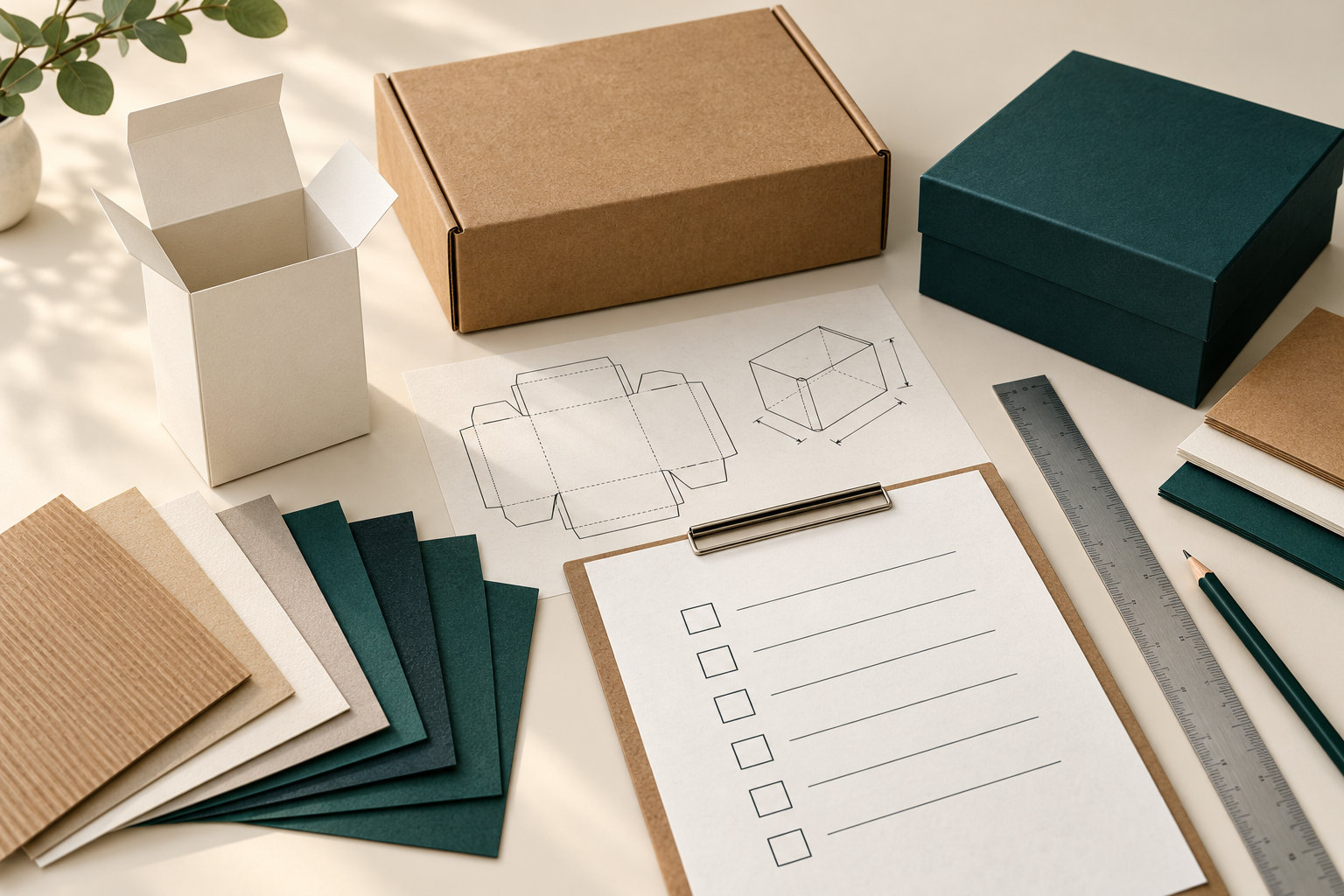
RELATED GUIDE
How to Request a Custom Packaging Quote: Requirements, Examples & Template
Bring quantity, printing, packing and delivery details together so alternative structures can be quoted on the same brief.
8. Get a box-structure recommendation
Send your product, approximate quantity and delivery route. Add dimensions or a reference link if available; you can leave the structure undecided.
 English
 Español de Argentina
 Русский
 Italiano
 日本語
 한국어
 العربية
 Français
 Deutsch