
Choose custom clothing packaging boxes around the garment’s finished fold, complete packed weight and delivery route. A shallow format can suit a thin folded item, while bulkier clothing or multi-piece orders need a different footprint or depth. Apparel packaging also has to accommodate wrapping, closures and branding, so approve the filled pack before fixing the box specification.
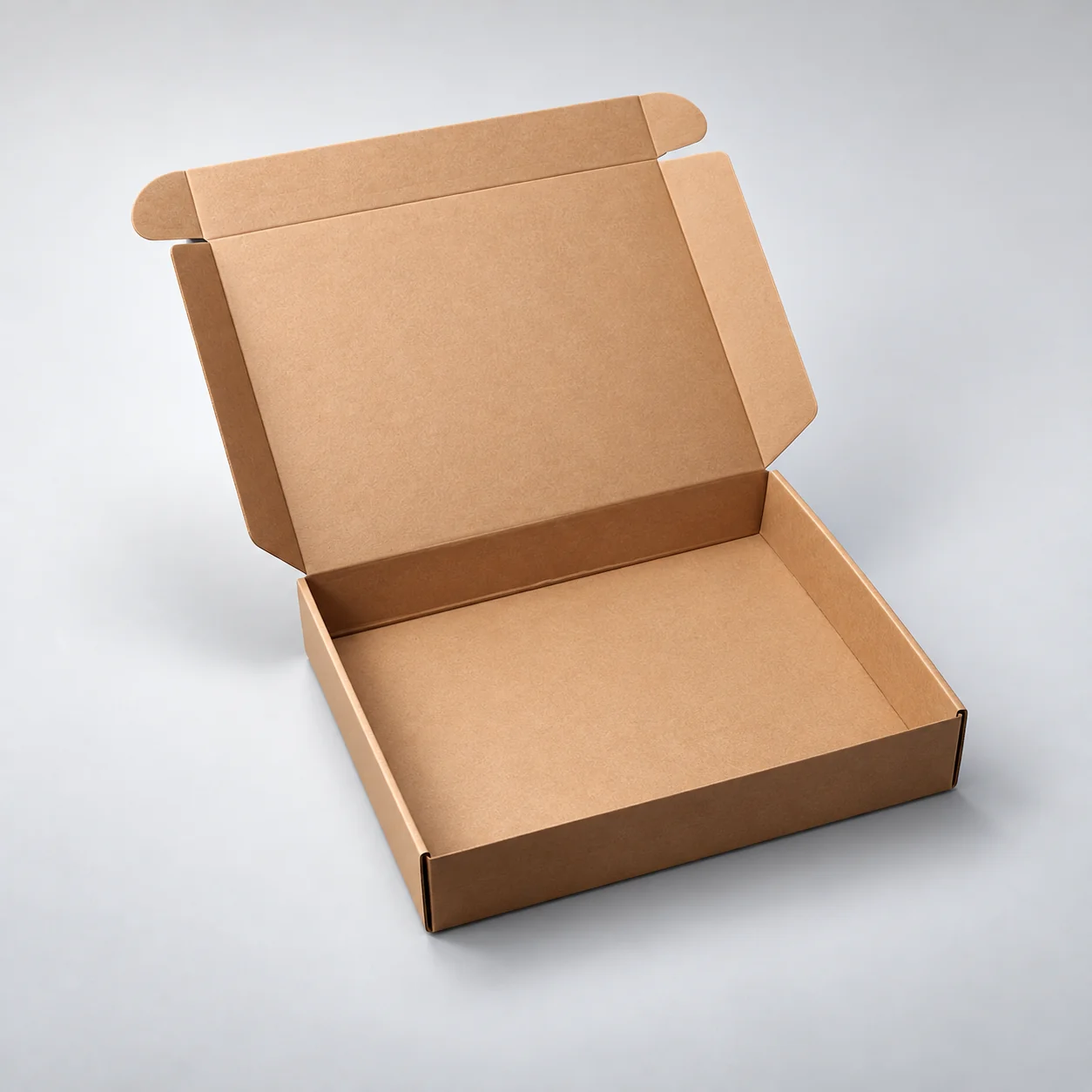
Four details that change the choice
- Fold: length, width and maximum thickness after wrapping.
- Contents: garment count, tags, cards and accessories.
- Route: shop handover, gift presentation or parcel delivery.
- Branding: outside artwork, opening view and color reference.
1. Start with the garment, then shortlist a format
Clothing sizes such as S, M and L do not define a box size. Compare the actual folds across your range, including the smallest item, the bulkiest item and the common multi-item order.
| Garment or order | What drives the choice | Format to review | Filled-sample check |
|---|---|---|---|
| T-shirts and lightweight tops | Repeatable fold, tags and a low stack. | A shallow folding box if the complete pack fits. | The lid closes without forcing the tabs or pressing raised details. |
| Sweaters, hoodies and knitwear | Loft, folded bulk and recovery after packing. | A deeper or wider custom box; review corrugated mailer options. | Check the thickest section and the garment’s appearance after unpacking. |
| Shirts and structured folded garments | Collar, placket, folded edges and presentation support. | A footprint and depth developed around the intended fold and supports. | The collar and front details retain the agreed presentation. |
| Delicate, embellished or easily snagged items | Surface contact, protruding trim and separation. | A box with separately specified wrap or supports suited to the item. | Review contact with closures, cut edges, printing and adjacent pieces. |
| Multi-piece sets or mixed orders | Combined weight, stack height and item arrangement. | A larger or compartmented configuration, developed for the complete set. | Check movement, loading order and whether accessories press on the garment. |
If a garment must remain hanging or cannot tolerate the proposed fold, discuss another packing format before selecting a folded-apparel box. Browse clothing packaging box options once the packing condition is clear.
2. Define the pack before choosing dimensions
- Prepare the garment. Use the intended fold with any primary bag, tissue, tags and presentation card.
- Arrange the complete order. Add every garment and accessory in the position used by the packing team.
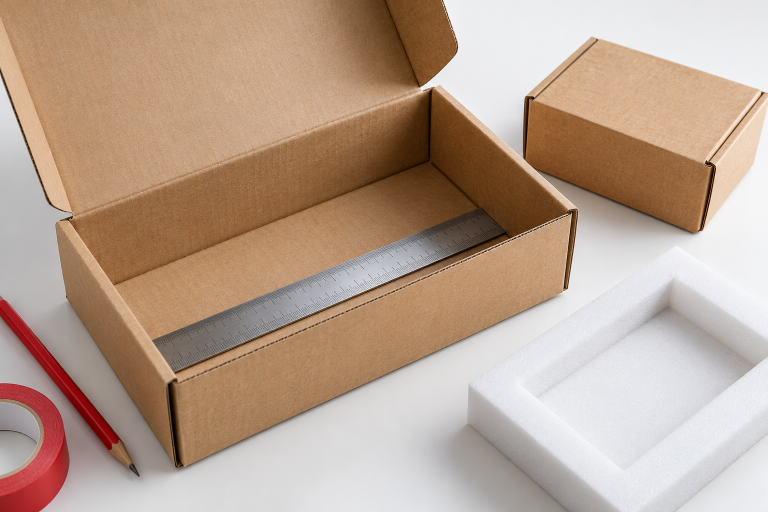
- Measure the occupied space. Record maximum length, width, thickness and packed weight. State units and whether a quoted box dimension is internal or external.
- Trial the loaded sample. Check the corners, folded walls, tuck-flap paths, closure and removal access.
Utilizza il custom box measuring guide to distinguish usable internal space from external size. Tissue, supports and folded walls consume space; their allowances should follow the actual configuration.
One box for several SKUs? Test both the largest and smallest prepared folds. Compare the storage benefit of fewer box sizes with extra empty space, packing work and the opening appearance.
Choose the arrangement deliberately
- Single folded item: keep the intended front, collar or logo in the opening view.
- Stacked items: check total height and whether the lower garment is compressed by the complete pack.
- Garment plus accessories: separate hard or projecting items where they could mark the fabric.
- Reusable packing method: write down the fold and component order so staff can reproduce the approved sample.
3. Separate retail presentation from transport needs
| Route | Priority | Cosa verificare |
|---|---|---|
| Shop handover or gifting | Opening appearance, garment arrangement and convenient handling. | Closure, tissue or band, carry arrangement and any outer protection needed. |
| Direct-to-customer parcel | Keeping the contents arranged and the complete package closed during the intended route. | Board specification, sealing, garment protection and whether a separate outer shipper is needed. |
| Bulk delivery to a retailer or warehouse | Correct versions, efficient handling and protected finished surfaces. | Flat or assembled supply, master-carton count, carton size/weight and receiving requirements. |
For parcel use, evaluate the garment, wrap, box, closure and outer packaging together. A printed mailer or thicker-looking board does not by itself establish shipping performance. Define any required handling checks and acceptance criteria for the selected pack.
Review the differences between corrugated, folding carton and rigid boxes when presentation and transport call for different layers.
Include storage and packing effort
- Compare flat and assembled delivery against the actual setup steps.
- Ask for units per shipping carton, carton dimensions and gross weight.
- Include tissue, bags, supports and outer shippers in the space and cost review.
- Specify any moisture or surface-contact requirements separately; brown paper or tissue alone does not establish those properties.
4. Design the closed box and opening view together
Outside artwork
- Choose the visible paper and color direction before approving logo contrast.
- Identify the lid, front and side panels on the dieline.
- For color-critical artwork, agree CMYK/PMS requirements and a physical reference on the selected stock.
Inside presentation
- Show which garment surface the buyer should see first.
- Specify inside printing, tissue, a paper band or any insert separately.
- Check contact between the fabric, printed surfaces and decorative components on the loaded sample.
Keep important artwork clear of folds and closure cuts. Review color, finish and handling marks after the agreed packing trial, especially where a light garment or tissue contacts the box. An interior logo changes the print scope; include it when comparing quotations.
5. Compare clothing-box options
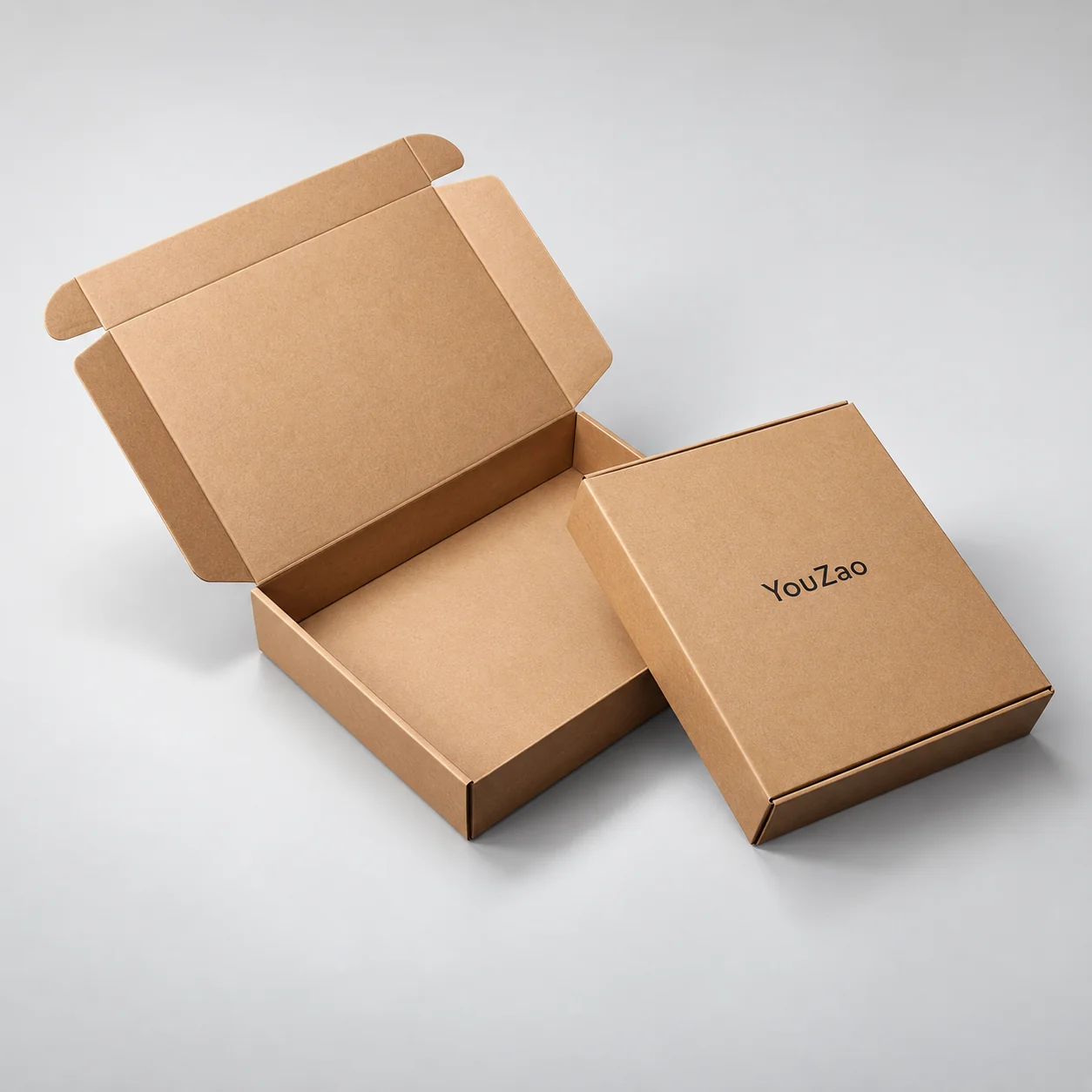
Custom Shallow Kraft Clothing Packaging Boxes with 4-Color Printing
Review for a compact, lightweight folded item when the loaded sample closes without forced compression. Specify the actual board construction and printed faces.
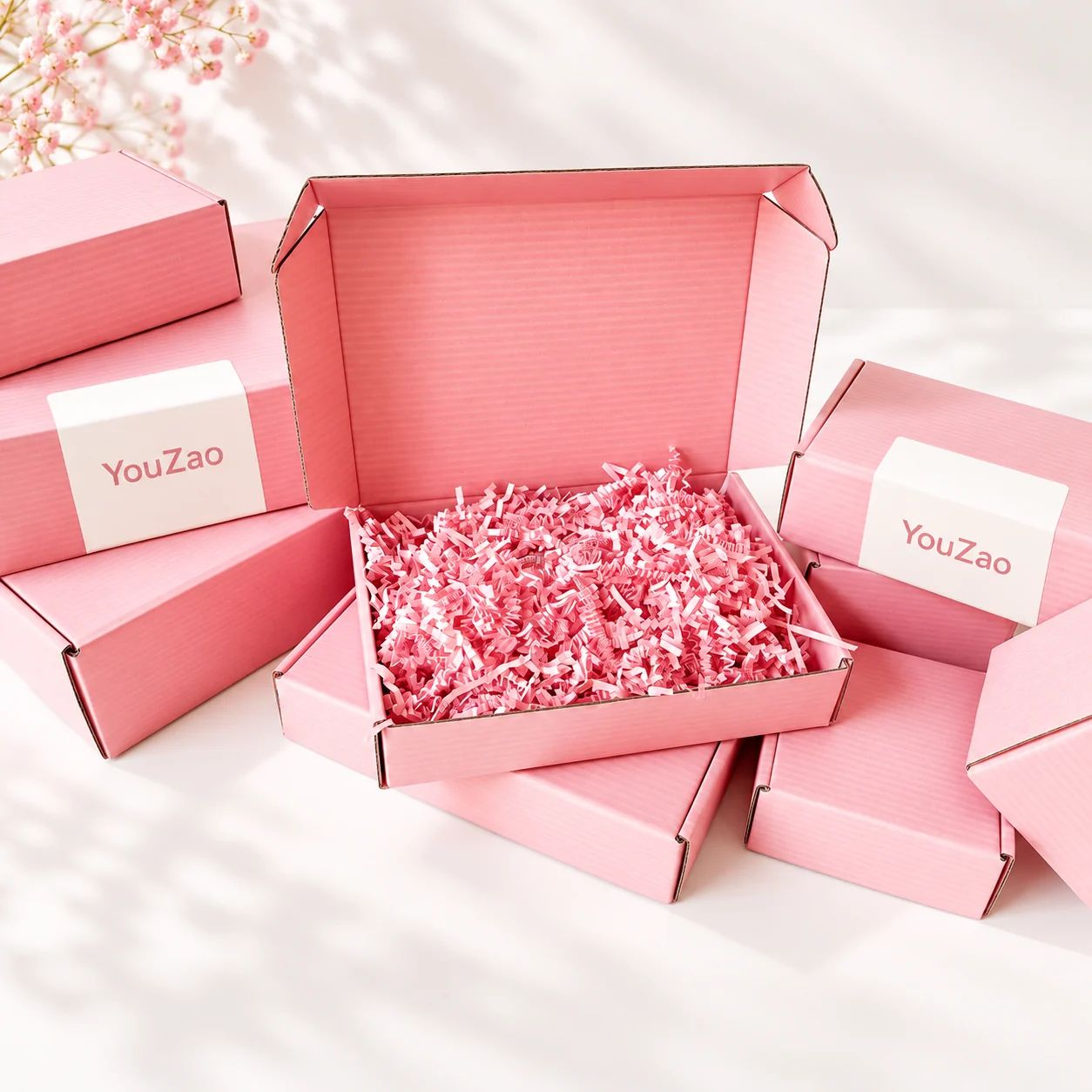
Custom Corrugated Clothing Packaging Boxes with CMYK & PMS Printing
Review for branded garment orders needing project-specific dimensions and print. The pictured filler is a presentation reference; specify any internal packing separately.
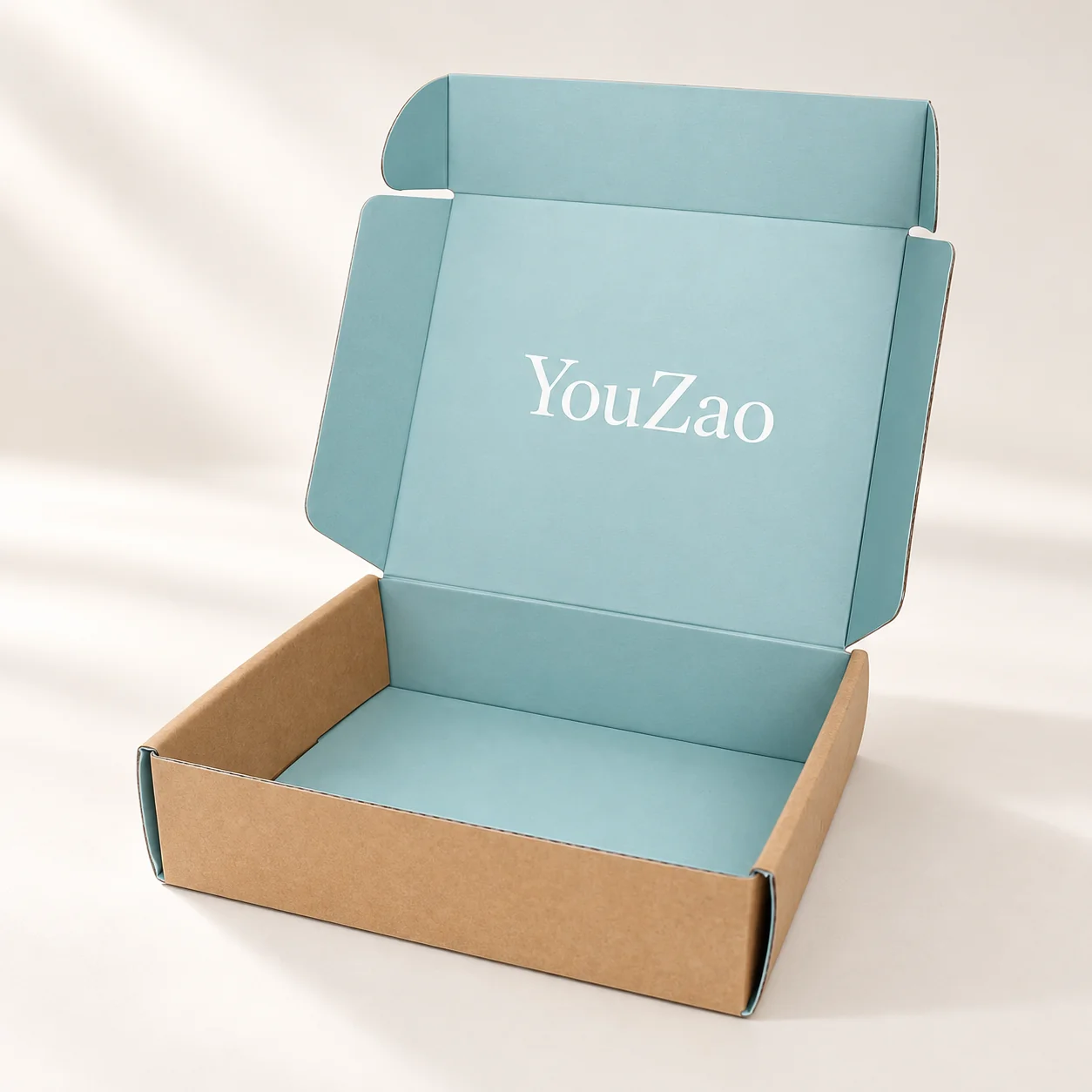
Custom 3 mm Corrugated Clothing Mailer Boxes with Printed Interior
Review when the opening artwork is part of the garment presentation. Confirm the full board grade, usable cavity and garment-facing protection for your order.
6. Use this checklist before ordering
- Garment range: the prepared smallest, bulkiest and common multi-item packs have been reviewed.
- Fit: internal dimensions, wrapping and closure clearance are recorded on the drawing.
- Fabric contact: cut edges, tabs, printing and accessories have been checked against the actual garment.
- Presentation: the fold, logo direction, printed faces and wrap sequence match the approved opening view.
- Delivery: sealing, outer protection and any agreed handling evaluation cover the complete pack.
- Packing operation: flat/assembled supply, setup work and component counts are practical for the team.
- Quotation: quantities per size/artwork, finish, internal components and destination use the same scope.
- Approval: the drawing, artwork, materials and filled sample share one approved revision.
Allow for sampling, revisions, production and transport as separate stages. For the required handovers and approval records, use the packaging sampling and ordering guide.
Related guides for your clothing packaging brief
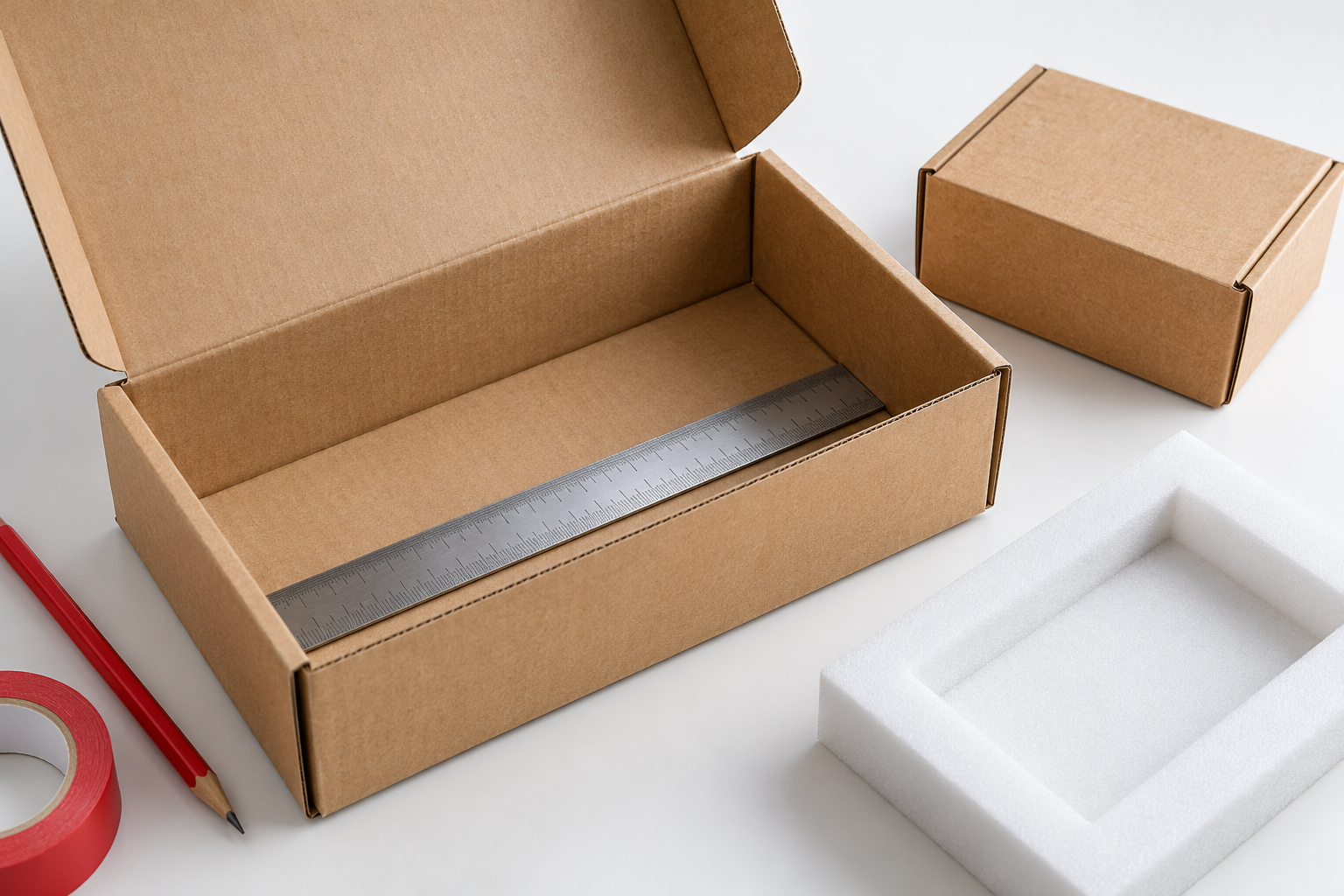
RELATED GUIDE
How to Measure Box Dimensions for Custom Packaging
Translate the finished garment fold into clear measurements with units and an internal or external dimension basis.
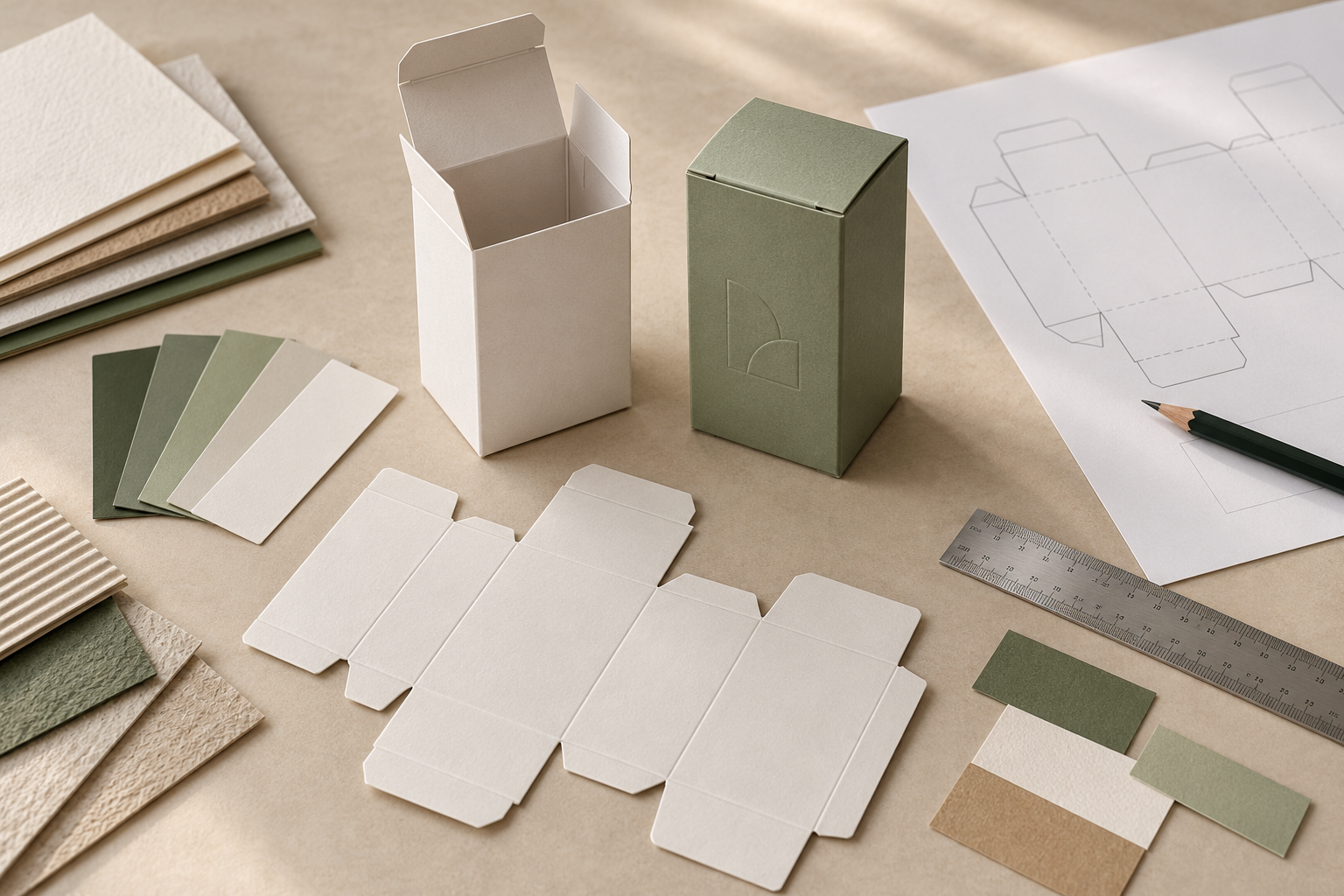
RELATED GUIDE
Custom Packaging Sampling & Ordering: A Step-by-Step Guide
Prepare the files, filled-sample checks and approval records needed before production and dispatch.
Choose a box for your apparel range
Send your garment type, prepared fold and approximate quantity. Add the packing route and destination if known. If the structure is undecided, ask for a recommendation; the quotation checklist covers the remaining details.
 English
 Español de Argentina
 Русский
 Italiano
 日本語
 한국어
 العربية
 Français
 Deutsch