
The custom packaging sampling process moves from a clear product brief to an agreed structure, artwork, physical sample and recorded approval. The custom box ordering process then turns those approved details into a production specification, packing plan and shipment. Prepare the right information at each stage so changes are resolved before they affect the bulk order.
1. Confirm the product and packing requirements
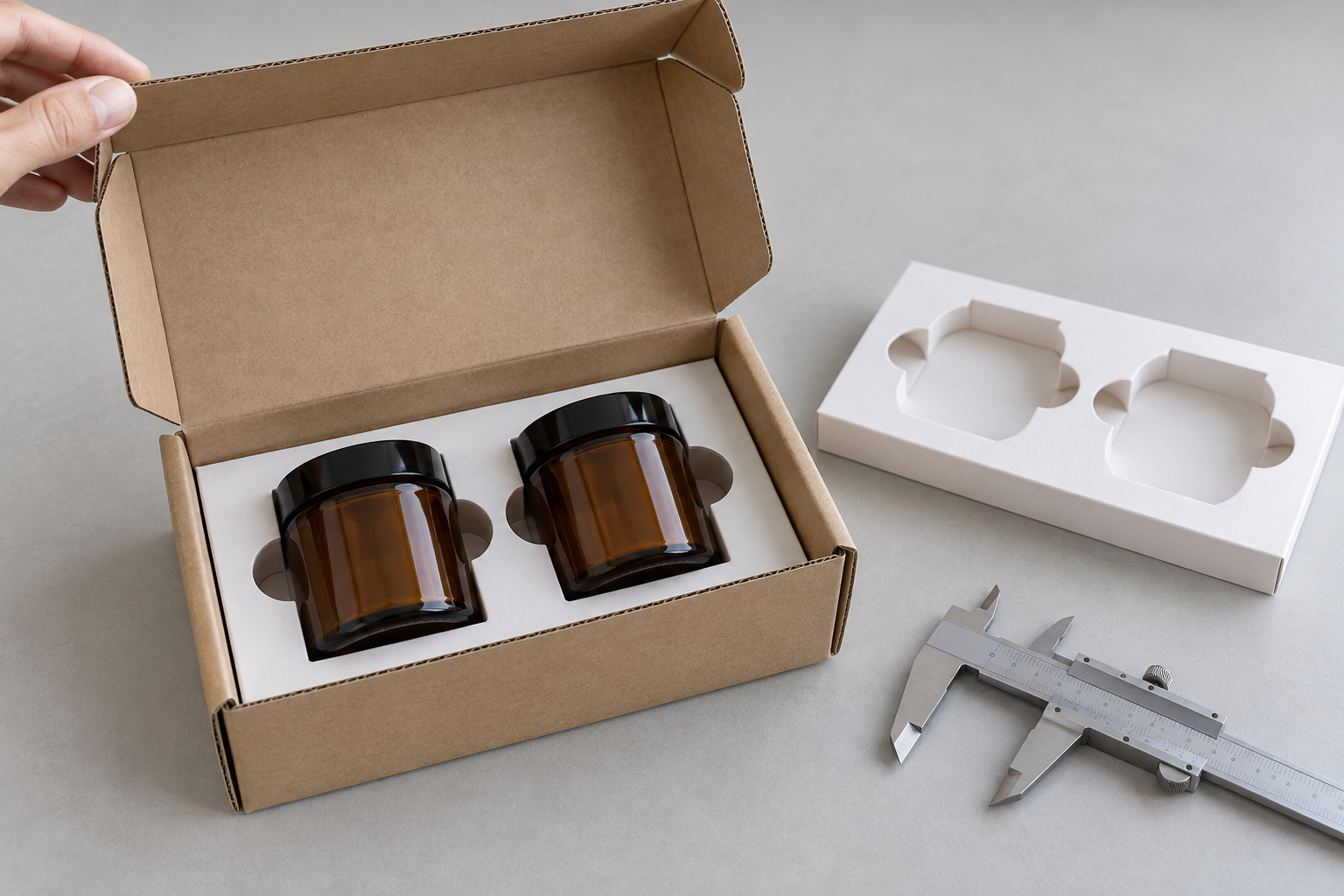
Start with the product as it will be packed, including accessories, wraps and documents. If the box structure is undecided, describe the retail or delivery task and send a reference photo.
| Prepare | Include | Confirm together |
|---|---|---|
| Product and use | Product photos or samples, packed weight, contents and handling route. | What must be held, protected and presented. |
| Размеры | Length × width × height, units and product or box measurement basis. | Usable internal space, insert allowance and opening clearance. |
| Order scope | Approximate quantity for each size, artwork and delivery batch. | Which versions need separate samples and quotations. |
| Внешний вид | Logo files, brand colors, printed faces and any finish references. | Which requirements are fixed and which need recommendations. |
| Delivery | Destination, intended arrival date and flat or assembled preference. | Sample arrangements, packing format and a realistic schedule. |
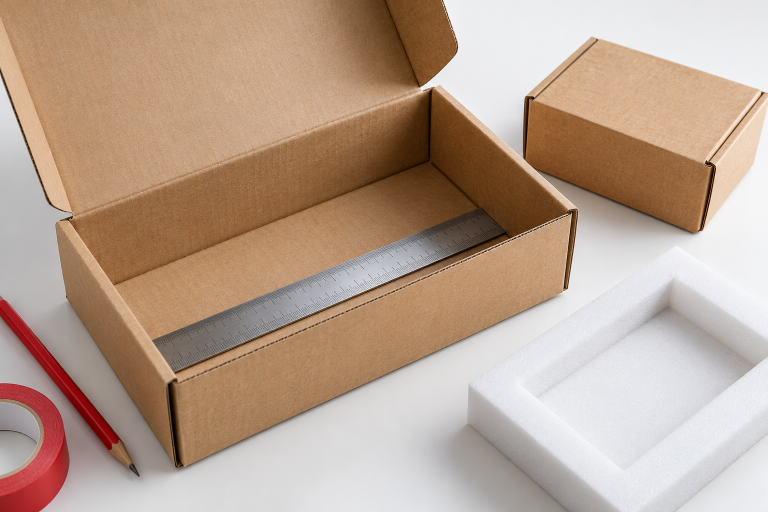
Используйте box-dimension measuring guide before sending a size. For a complete quotation brief, see what to include in a custom packaging quote request.
Ready for design: the product layout, intended use, quantity split and unresolved choices are written into one brief.
2. Develop the structure, insert and artwork
Structure and interior
- Choose the board family and opening format for the actual packing task.
- Develop the usable cavity, product positions and removal access.
- Mark folds, cutouts, closure travel and any separate insert pieces on the drawing.
Artwork and finish
- Use the agreed dieline revision for artwork placement.
- Identify printed faces, logo direction, text, barcodes and finishing areas.
- Agree the required file format, color reference and proofing method before final export.
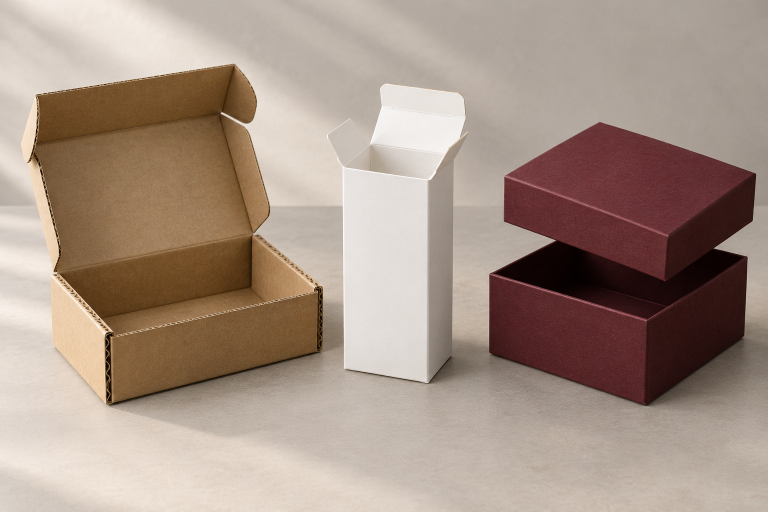
Keep the structural drawing and artwork linked by revision. A change to size, flap shape or insert position can affect graphics even when the logo stays the same. Compare corrugated, folding carton and rigid-box structures if the material direction is still open.
Ready for sampling: both parties agree which drawing, material, artwork and interior configuration the sample will represent.
3. Select the sample scope before it is made
Ask what the sample includes, which materials and processes it uses, and what differs from the proposed production box. Agree the sample quantity, charges, freight, preparation time and revision arrangements before work starts.
| Sample or proof | Use it to check | Check separately |
|---|---|---|
| Structural sample | Size, folding, closure, insert layout, loading and removal. | Final print, color and decoration if these are absent or substituted. |
| Artwork or color proof | Text, panel orientation, graphic placement and the agreed color-proof scope. | Physical fit, board behavior, coatings and special finishes not represented. |
| Finished physical sample | The included structure, print, finish, interior and opening experience together. | Any substituted materials/processes and performance checks outside the sample scope. |
A screen preview is one reference. For color-critical work, agree the physical color reference and viewing conditions. Adobe’s hard-proof guidance explains that proof accuracy depends on profiles and calibration; screens emit light while printed sheets reflect it.
Review the sample with the contents loaded
- Pack every item, accessory and protective layer in the intended arrangement.
- Close and reopen the box; check rubbing, bulging, loose movement and removal access.
- Review printed panels, color, wrap joints and the selected finishes against the agreed references.
- Trial the packing operation and any agreed handling checks with the complete configuration.
- Return one consolidated change list with marked photos, measurements and the sample revision.
For delivery protection, define the filled-box and outer-pack testing separately. An attractive empty sample does not establish shipping performance.
Ready for approval: the required checks are complete and each requested change has been resolved or assigned to a revised sample.
4. Record sample approval and confirm the order
Approve a named sample and file revision. Keep the physical reference, drawing, artwork and agreed material specification together so “approved” has one clear meaning.
- Technical record: finished dimensions and basis, board, closure, insert, printed faces, finishes and agreed tolerances or acceptance criteria.
- Approval scope: what the sample confirms, any remaining exclusions and who has authority to approve.
- Commercial order: quantity by version, unit-price basis, tooling or sample charges, agreed payment terms and delivery arrangements.
- Production release: the approvals, files and order conditions that must be complete before the confirmed schedule starts.
If something changes after approval: identify the affected drawing, artwork, material or packing requirement. Review the effect on price, sample scope and schedule, then obtain approval for the revised scope before continuing.
Keep the approved reference available for repeat orders. A new product, bottle cap, accessory, artwork or packing method can require a fresh fit or appearance review.
Ready for production: the final order specification and release conditions are confirmed; outdated files are clearly superseded.
5. Keep production aligned with the approved references
Confirm the production start milestone and planned completion date for the selected configuration. Sampling, revision, production and transport are separate schedule items.
Customer preparation
- Provide final files, approval records and the version-by-version quantity list.
- Nominate one contact to consolidate technical decisions.
- Confirm carton marks, batch separation and any inspection or reporting requirements.
Checks to agree
- Dimensions, material, component counts and closure operation.
- Artwork revision, printed color and finish against the agreed reference.
- Loaded fit and any agreed performance or appearance criteria.
- How deviations are reported and resolved before dispatch.
Request the progress evidence relevant to your order, such as agreed photos or inspection records. Photos can show appearance and arrangement; measurements and defined tests need their own records.
Ready for packing: required checks and any outstanding corrections are closed against the agreed acceptance criteria.
6. Confirm packing, shipment and receipt
- Agree the supplied state. Specify flat or assembled boxes, insert packing and protection for printed surfaces.
- Confirm logistics data. Review units per carton, carton count, external carton dimensions, gross weights and any pallet arrangement.
- Check dispatch details. Confirm the delivery address, recipient, transport method, agreed shipping terms and documents needed for the shipment.
- Record the handover. Obtain the applicable dispatch details, tracking or transport reference and packing information.
- Inspect on receipt. Compare counts, versions and condition with the order. Photograph damage or discrepancies and retain the affected packaging for review.
Allow separately for production completion, pickup, transport and destination delivery. If an arrival date is critical, discuss it at the briefing stage rather than after the boxes are finished.
Order closeout: receipt and any discrepancies are recorded; approved files and sample references are retained for the next order.
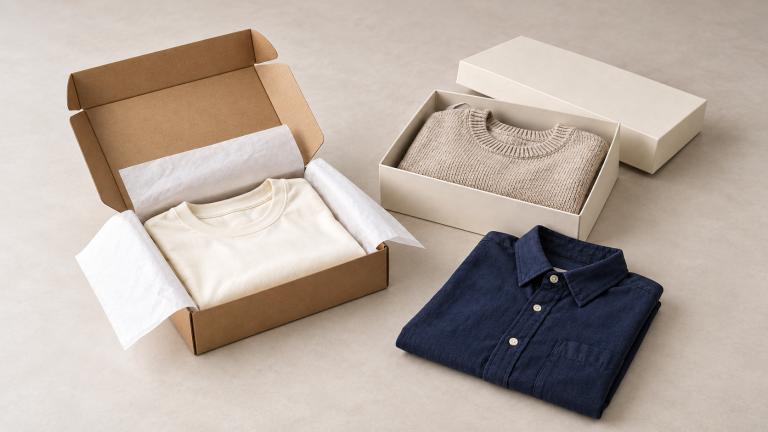
Sample checks for two packaging formats
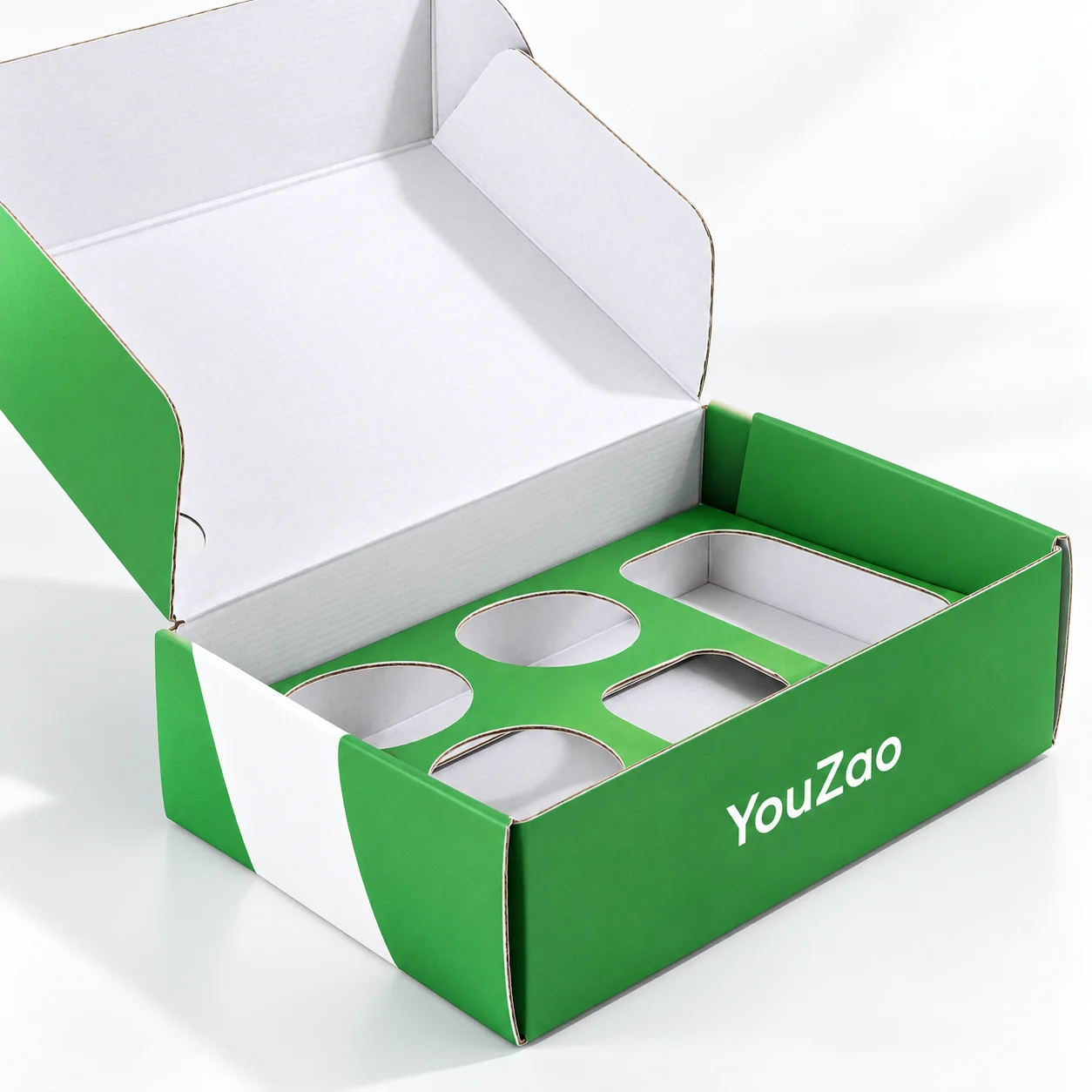
Custom Printed Kraft Corrugated Folding Mailer Boxes with Inserts
Check each cutout, support depth, lid clearance and product removal using the complete gift set.
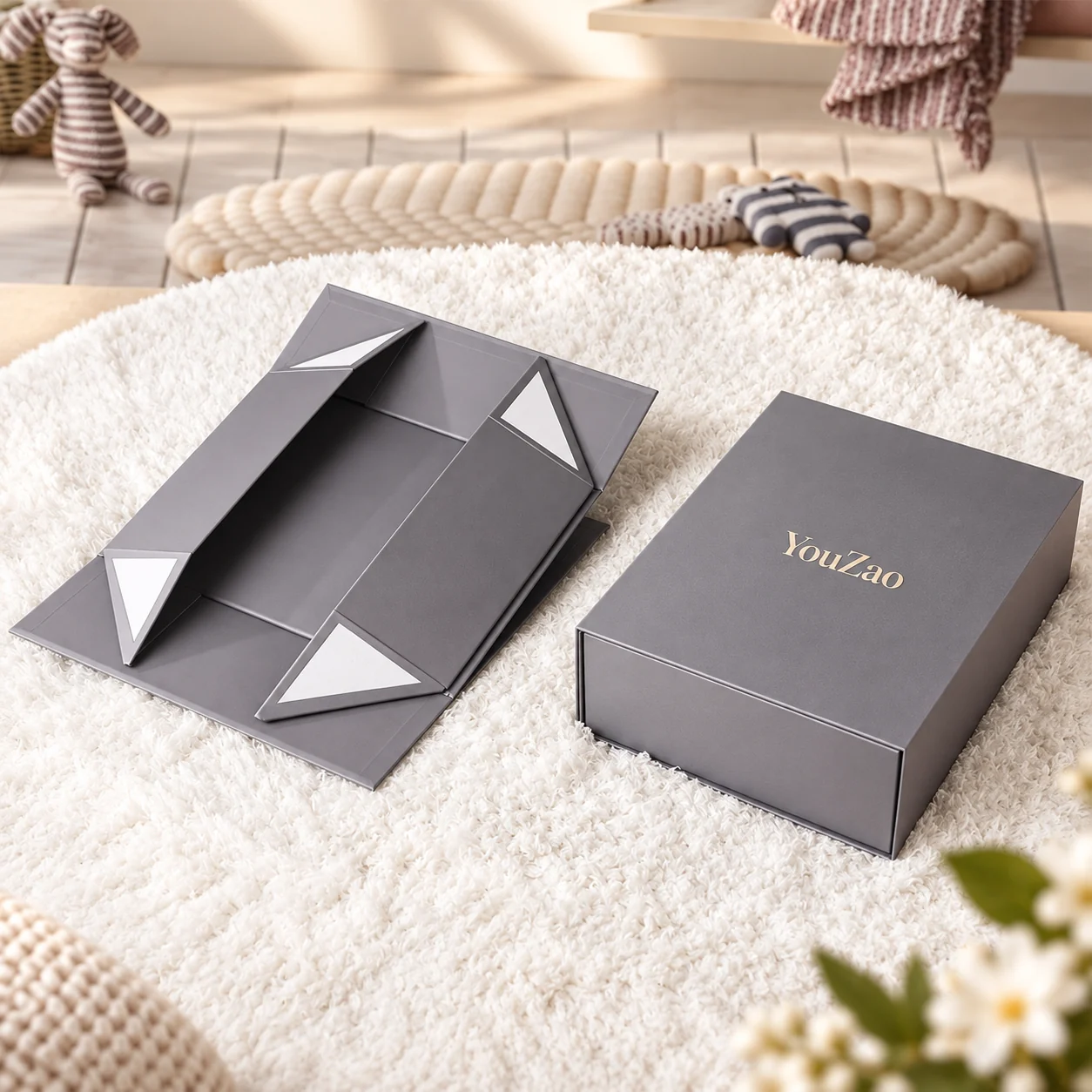
Custom Magnetic Perfume Gift Boxes with Collapsible Book-Style Lid
Review corner securing, lid alignment, interior fit and the setup steps needed at the packing station.
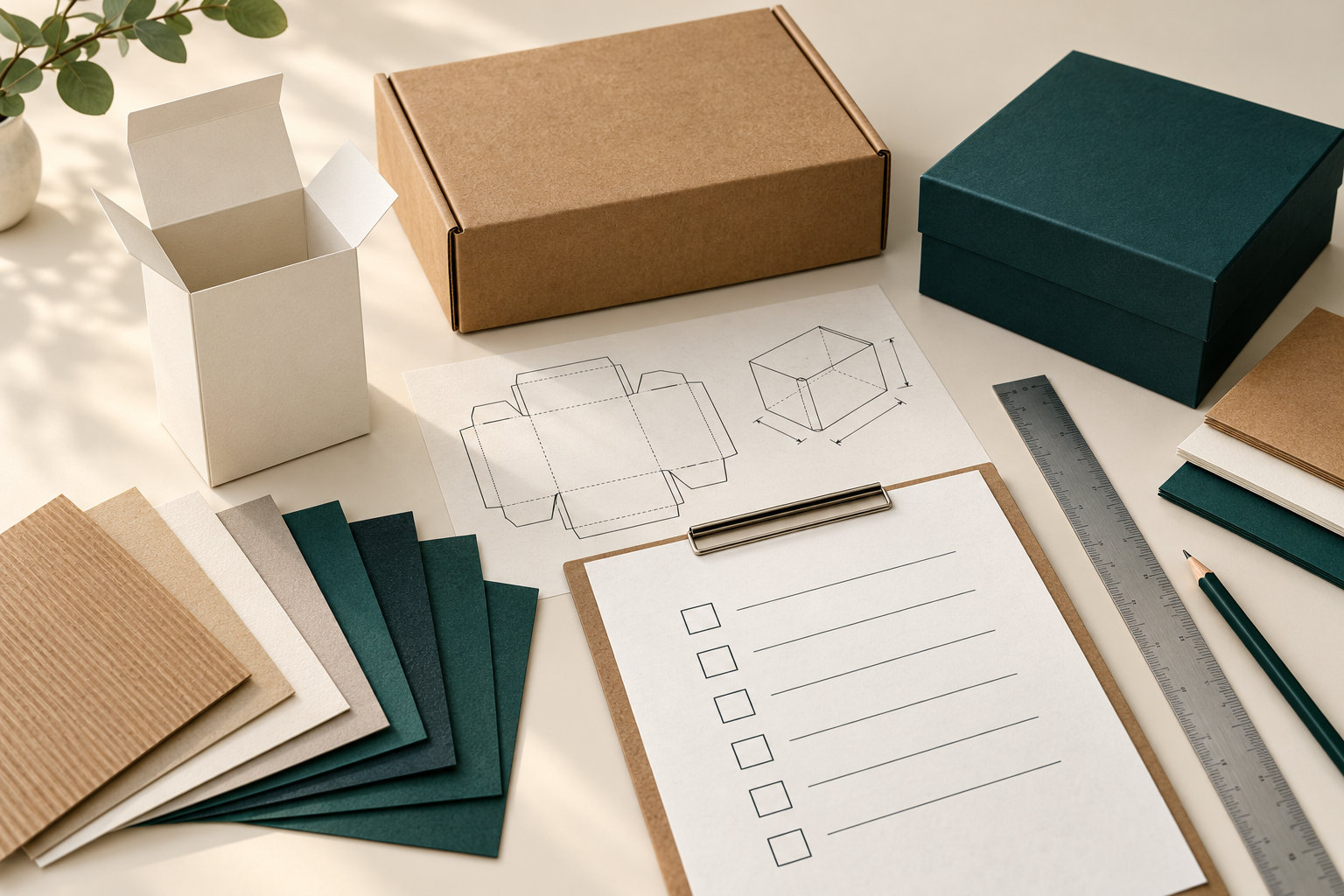
Prepare the structure and quotation brief
RELATED GUIDE
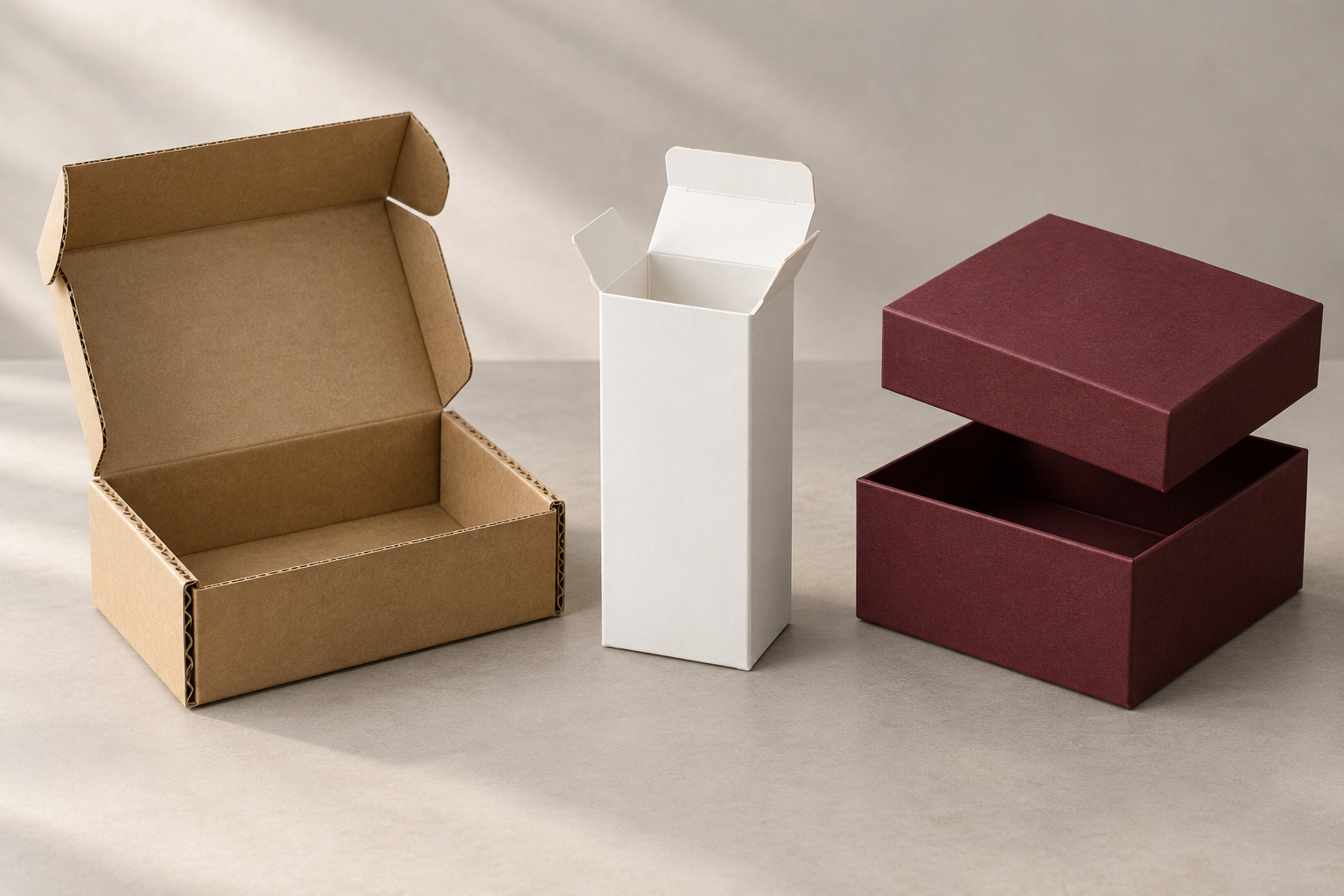
Corrugated vs. Folding Carton vs. Rigid Boxes: How to Choose
Shortlist a structure by the product, presentation, protection and storage needs before commissioning a sample.
RELATED GUIDE
How to Request a Custom Packaging Quote: Requirements, Examples & Template
Organize dimensions, quantities, printing and delivery details into a brief that supports a useful quotation.
Plan your packaging sample
Send your product and current stage—starting from a reference, reviewing a drawing or ready for a physical sample. Add the details you already have; unresolved specifications can be discussed.
 English
 Español de Argentina
 Русский
 Italiano
 日本語
 한국어
 العربية
 Français
 Deutsch